What to write on a headstone is one of the most meaningful decisions families face when creating a memorial for a loved one. A headstone inscription, often called an epitaph, becomes a permanent message that reflects the life, character, and legacy of the person being honored.
For many families, choosing the right words can feel overwhelming. The inscription must be brief, yet powerful enough to capture the essence of a loved one’s life. Because cemetery memorials are designed to last for generations, the words engraved on the stone become a lasting tribute that future family members will read and remember.
This guide explores what to write on a headstone, including meaningful epitaph ideas, traditional inscriptions, and thoughtful wording examples that can help families create a timeless memorial.
Understanding What to Write on a Headstone
When deciding what to write on a headstone, families typically include a few essential elements that identify and honor the person who has passed away.
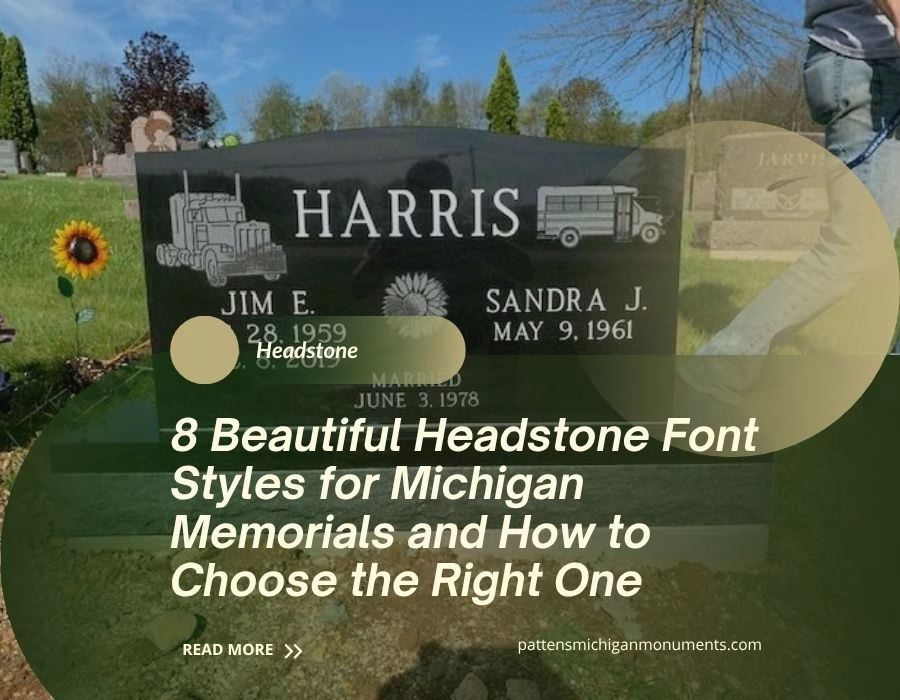
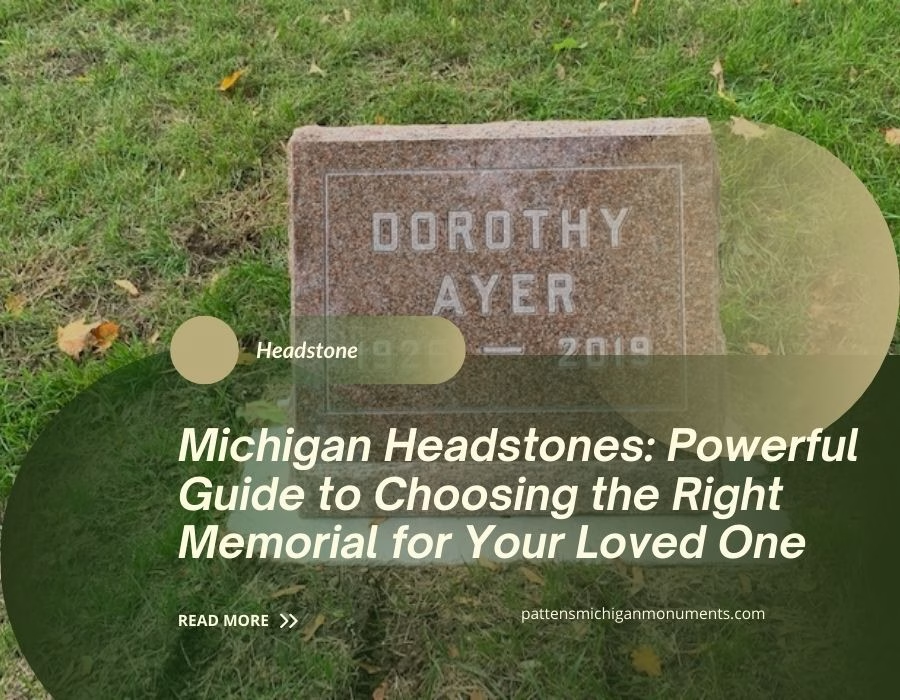
Most cemetery headstone inscriptions include the individual’s full name, birth date, and death date. In addition to these details, many families add a short phrase, quote, or message that reflects the personality, faith, or values of their loved one.
Because the space on a headstone is limited, the wording is usually concise and carefully chosen. Even a few simple words can carry deep emotional meaning and create a powerful memorial.
Many families spend time discussing what to write on a headstone so that the inscription truly represents the life and spirit of the person being remembered.
Why Headstone Epitaphs Matter
An epitaph is more than just a few engraved words. It serves as a reflection of a life lived and a message left behind for future generations.
Choosing what to write on a headstone allows families to express love, gratitude, and remembrance. It can highlight a person’s values, their role in the family, or the impact they had on others.
For some families, the epitaph expresses faith and spiritual beliefs. For others, it celebrates a personality, a passion, or a meaningful life lesson.
The right epitaph ensures that the memorial becomes more than a marker. It becomes a personal story carved into stone.
Traditional Headstone Wording
Many families choose traditional wording when deciding what to write on a headstone. These classic inscriptions have been used for generations because they convey dignity, respect, and timeless remembrance.
Some common traditional epitaphs include:
Beloved Mother
Beloved Father
Forever in Our Hearts
Rest in Peace
In Loving Memory
Together Forever
Gone but Never Forgotten
Always Loved, Never Forgotten
Traditional wording is often chosen because it feels respectful and familiar. These inscriptions provide a sense of comfort and continuity, connecting modern memorials with long-standing traditions.
Religious Headstone Epitaph Ideas
For families guided by faith, religious messages are often an important part of deciding what to write on a headstone. These inscriptions reflect spiritual beliefs and the hope of eternal life.
Examples of religious headstone epitaph ideas include:
The Lord Is My Shepherd
Safe in the Arms of Jesus
God Called You Home
In God’s Loving Care
Forever With the Lord
Your Faith Was Your Strength
Until We Meet Again in Heaven
Religious inscriptions offer comfort and reassurance to family members who believe their loved one is now at peace in a spiritual home.
Personal and Unique Headstone Epitaph Ideas
Some families prefer to create a more personal inscription that reflects the personality or passions of their loved one. When thinking about what to write on a headstone, personal epitaphs can capture the unique qualities that made someone special.
Examples of personalized memorial inscription ideas include:
A Life Filled With Love
Your Kindness Touched Many Lives
A Heart That Gave So Much
Cherished by All Who Knew You
A Beautiful Soul Remembered Forever
Your Legacy Lives On
A Friend to Everyone
These messages highlight the emotional connections that remain long after a loved one has passed.
Family Role Headstone Inscriptions
Another common approach when deciding what to write on a headstone is to emphasize the individual’s role in the family. These inscriptions honor the relationships that shaped their life.
Examples include:
Loving Husband and Devoted Father
Beloved Wife, Mother, and Grandmother
Cherished Daughter and Sister
A Wonderful Grandfather
Our Loving Mother and Friend
Forever Our Hero
These inscriptions remind visitors that the person being remembered played an important role in the lives of many people.
Short and Simple Headstone Wording
Sometimes the most powerful epitaphs are also the simplest. When space is limited, families may choose a short phrase that still captures deep meaning.
Short inscriptions are also easier to read and often create a clean, elegant design on the memorial.
Examples of simple headstone wording include:
Forever Loved
Always Remembered
Rest in Peace
Loved Beyond Words
A Life Well Lived
In Loving Memory
These brief messages show that even a few words can leave a lasting emotional impact.
Headstone Quotes and Poetic Inscriptions
Some families turn to poetry, literature, or meaningful quotes when choosing what to write on a headstone. These inscriptions often carry poetic beauty and emotional depth.
Popular examples include:
Do Not Stand at My Grave and Weep
I Am Not There, I Do Not Sleep
To Live in the Hearts We Leave Behind Is Not to Die
Those We Love Never Truly Leave Us
Although longer quotes may require additional space, they can create a powerful memorial that expresses timeless wisdom and remembrance.
Things to Consider When Deciding What to Write on a Headstone
Selecting the right inscription involves several important considerations. Families often take time to reflect on what message best represents their loved one.
One important factor is space. The size and style of the headstone will determine how much text can be engraved.
Another factor is clarity. Because the inscription will remain visible for generations, the wording should be easy to read and understand.
Families should also consider personal meaning. The best epitaphs often come from shared memories, values, or beliefs that defined the individual’s life.
Taking time to carefully decide what to write on a headstone ensures the memorial feels thoughtful and lasting.
The Importance of Choosing Words That Last
Headstone inscriptions become a permanent part of a cemetery memorial. Long after a funeral service has ended, the words engraved on the stone continue to tell a story.
Future generations may visit the memorial and learn about their family history through these inscriptions. The words chosen today may inspire reflection, remembrance, and appreciation for decades to come.
Because of this lasting impact, families often approach the decision of what to write on a headstone with great care and respect.
Creating a Meaningful Memorial
A cemetery headstone serves as a place where loved ones can return to remember, reflect, and honor a life that mattered. The inscription carved into the stone plays an essential role in preserving that memory.
Choosing what to write on a headstone is an opportunity to celebrate a life, express love, and create a message that will endure for generations.
Whether families choose a traditional phrase, a religious verse, or a deeply personal message, the right words transform a memorial into a lasting tribute.
By carefully selecting an epitaph that reflects the individual’s legacy, families ensure that their loved one’s memory continues to live on through a meaningful and beautifully crafted memorial.