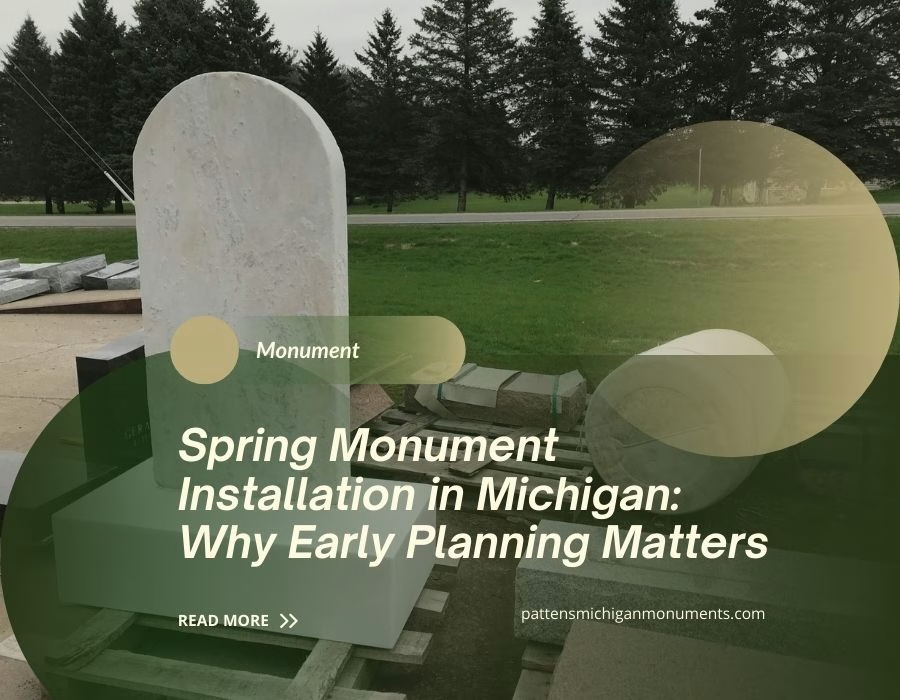
Spring is a busy and critical time for spring monument installation in Michigan. After the long, harsh winter, cemeteries reopen, and families often schedule headstone placements to honor their loved ones. While it may seem easy to wait until the ground thaws, early planning is essential to ensure a smooth, timely, and lasting installation.
Understanding the importance of early preparation helps families avoid delays, meet cemetery rules, and secure high-quality craftsmanship. This guide provides a complete overview of spring monument installation, highlighting why early planning is crucial and how families can navigate each stage of the process.
Why Spring Is the Ideal Time for Monument Installation
Michigan winters are long and cold, often leaving the ground frozen well into March or April. Spring provides the perfect window for installing monuments because the soil is workable, and cemeteries can safely resume placement operations.
Key reasons spring is important for monument installation include:
Thawed Ground: Frozen soil makes excavation impossible; spring ensures proper foundation preparation.
Weather Windows: Spring weather can be unpredictable, but early planning reduces weather-related delays.
High Demand: Many families schedule installations during spring, creating limited availability.
Cemetery Coordination: Early planning allows families to secure preferred installation dates before schedules fill up.
Families who plan early benefit from flexibility, ensuring that their spring monument installation proceeds smoothly without unnecessary stress or delays.
Step 1: Early Monument Selection and Design Approval
Planning for spring monument installation begins with selecting the right memorial and approving its design. Early decisions allow families to avoid last-minute rushes and errors, ensuring the memorial accurately reflects their wishes.
Key tasks include:
Choosing the monument type (flat marker, upright headstone, or custom design)
Selecting granite color, polish, and size
Approving inscriptions, epitaphs, or symbols
Ensuring compliance with cemetery guidelines
Monument providers usually provide a digital or printed proof of the memorial for review. Families should take their time to review all details, as corrections become difficult once production begins. Early design approval also ensures that the production process can start as soon as cemetery authorization is granted, keeping the spring monument installation timeline on track.
Step 2: Cemetery Authorization and Compliance
Most cemeteries require approval before installation to ensure safety and uniformity. During spring, cemetery approvals can take longer due to increased demand, so early planning is critical.
Cemetery approval for spring monument installation usually includes:
Verifying monument size, height, and material restrictions
Confirming the foundation and placement requirements
Ensuring spacing and alignment with surrounding monuments
Monument providers typically handle these approvals on behalf of the family, reducing stress and ensuring compliance. Early submission of paperwork allows families to secure preferred dates and avoid delays caused by seasonal backlogs.
Step 3: Foundation Preparation and Soil Considerations
A stable foundation is essential for long-lasting monuments. Early planning ensures that excavation, leveling, and concrete or stone foundation work are completed as soon as the ground is ready in spring.
Steps in foundation preparation include:
Excavating and leveling the site
Compacting soil for stability
Pouring or setting a solid foundation
Allowing the base to settle properly before monument placement
Planning early minimizes the risk of delays due to weather or frozen soil and ensures that the memorial is stable and durable for years to come.
Step 4: Granite Selection, Production, and Engraving
High-quality granite is the most common material for monuments because of its durability. After design approval and cemetery authorization, production begins.
Steps in the production process include:
Cutting granite to precise dimensions
Polishing surfaces and shaping edges
Engraving inscriptions, epitaphs, and custom artwork
Inspecting for structural integrity and quality
Engraving is a particularly important step in spring monument installation because it personalizes the memorial and ensures inscriptions remain legible for generations. Families should carefully review proofs to confirm accuracy before the monument enters the production stage.
Step 5: Scheduling Installation During Spring
Spring weather can vary greatly, so scheduling installation requires careful planning. Early preparation allows families to select optimal dates for spring monument installation, avoiding periods of heavy rain, thawing snow, or late frost.
Benefits of scheduling early include:
Securing installation before peak demand
Reducing risk of weather delays
Coordinating with cemetery staff for placement
By planning ahead, families can ensure that installation proceeds smoothly and their memorial is placed promptly.
Step 6: Benefits of Early Planning for Spring Monument Installation
Planning ahead for spring monument installation provides numerous advantages for families, including:
Timely Installation – Avoid delays caused by seasonal backlogs or weather.
Peace of Mind – Early planning reduces stress and uncertainty.
Better Selection – More options for monument size, design, and personalization.
Higher Quality – Allows ample time for production, engraving, and inspection.
Cemetery Compliance – Ensures all regulations are met without last-minute changes.
Cost Savings – Early orders may avoid rush fees during peak spring demand.
Memorial Longevity – Proper planning ensures stable foundation and durable installation.
Families who plan early gain control over the process, ensuring a smooth and lasting installation experience.
Step 7: Preparing for the First Spring Visit
Once the monument is installed, families often plan a first visit to see the completed memorial. Spring provides a perfect backdrop for reflection and remembrance.
Tips for a meaningful visit:
Bring seasonal flowers or decorations
Capture photos for family memories
Respect cemetery landscaping and restoration
Include family members to share the experience
Visiting the completed memorial allows families to appreciate the results of careful planning and installation while honoring their loved one.
Common Challenges During Spring Monument Installation
Even with careful planning, several challenges can arise during spring monument installation in Michigan:
Weather Delays – Frost, rain, or thawing soil may postpone installation.
High Demand – Many families schedule installations in spring, increasing wait times.
Cemetery Restrictions – Size or material restrictions may require modifications.
Production Bottlenecks – Engraving and shipping may be slower during peak season.
Early planning helps families mitigate these challenges and ensures a smooth installation process.
Expert Tips for a Smooth Spring Installation
Order Early: Place your monument order in late winter to secure early spring installation.
Check Cemetery Guidelines: Confirm regulations on size, material, and placement.
Stay in Communication: Keep in touch with your monument provider about progress and scheduling.
Monitor Weather: Be aware of frost and soil conditions that may impact installation.
Choose Durable Materials: Granite is highly recommended for Michigan’s changing climate.
Following these expert tips ensures a seamless spring monument installation experience.
Why Early Planning Impacts Memorial Longevity
Proper planning ensures that monuments are installed on a solid foundation and in optimal conditions. Early planning contributes to:
Long-term structural stability
Reduced risk of shifting or settling
Enhanced preservation of inscriptions and finishes
Alignment with cemetery landscaping
Families who plan early can feel confident that their memorial will remain beautiful and durable for decades.
Final Thoughts on Spring Monument Installation in Michigan
Spring is a critical season for monument installation in Michigan, and early planning makes all the difference. By approving the design, coordinating with the cemetery, scheduling foundation preparation, and managing production timelines ahead of time, families ensure a smooth, timely, and lasting installation.
Early planning also allows families to enjoy peace of mind, knowing their loved one’s memorial is handled with care and precision. A well-planned spring installation ensures that the monument is stable, durable, and ready for meaningful visits, providing a lasting tribute for generations.
By taking the time to plan ahead, families can navigate spring monument installation with confidence, avoiding delays, and ensuring their memorial honors their loved one beautifully and permanently.