Creating a memorial for a loved one is a meaningful journey that requires careful planning, thoughtful decisions, and attention to detail. Many families want to understand how a monument is created and what steps are involved before making important choices. Learning about the Headstone Design Process can help families feel more prepared and confident when creating a lasting tribute.
A headstone is more than a marker placed in a cemetery. It represents a person’s life, memories, accomplishments, and the impact they had on their family and community. From selecting the right material to choosing personalized artwork and inscriptions, every part of the design process plays an important role in creating a meaningful memorial.
For Michigan families, working with an experienced monument company can make the process easier by providing guidance on design options, cemetery requirements, materials, and personalization choices.
Understanding the Headstone Design Process
The Headstone Design Process begins with understanding what makes a memorial meaningful. Every family has a different vision for honoring their loved one, which is why customization plays such an important role.
Before selecting a design, families usually consider several factors, including:
- The personality and interests of their loved one
- Cemetery regulations and requirements
- Preferred monument style
- Granite color and material options
- Budget considerations
- Personalized artwork and lettering
A professional monument designer helps families explore available options while making sure the final design reflects the life and legacy of the person being remembered.
1. Choosing the Right Type of Headstone
The first step in the Headstone Design Process is selecting the type of memorial that best fits the family’s needs and preferences.
Different headstone styles provide different design opportunities, including:
Upright Monuments
Upright monuments are one of the most traditional memorial options. They provide a larger surface area for:
- Names and dates
- Detailed artwork
- Personalized messages
- Family information
Because of their size, upright monuments allow families to include more design elements.
Flat Grave Markers
Flat markers sit level with the ground and provide a simple, elegant appearance. They are often chosen by families who prefer a more subtle memorial style.
Slant Markers
Slant markers offer a combination of traditional appearance and lower-profile design. They provide enough space for personalization while maintaining a smaller footprint.
Choosing the right monument style is an important foundation for creating a meaningful memorial.
2. Selecting the Right Granite Material
Granite is one of the most popular materials used for cemetery memorials because of its durability, beauty, and customization options.
During the Headstone Design Process, families can choose from different granite colors and finishes, including:
- Gray granite
- Black granite
- Blue granite
- Pink granite
- Brown granite
Each granite option has unique patterns and characteristics. Some families prefer a classic appearance, while others select a color that represents their loved one’s personality.
Granite is also designed to withstand Michigan’s changing weather conditions, making it a reliable choice for long-lasting memorials.
3. Planning the Memorial Layout and Design
After choosing the monument style and granite, families begin planning the overall appearance of the memorial.
The layout may include:
- Name placement
- Dates of birth and passing
- Family relationships
- Special messages
- Artwork placement
- Decorative elements
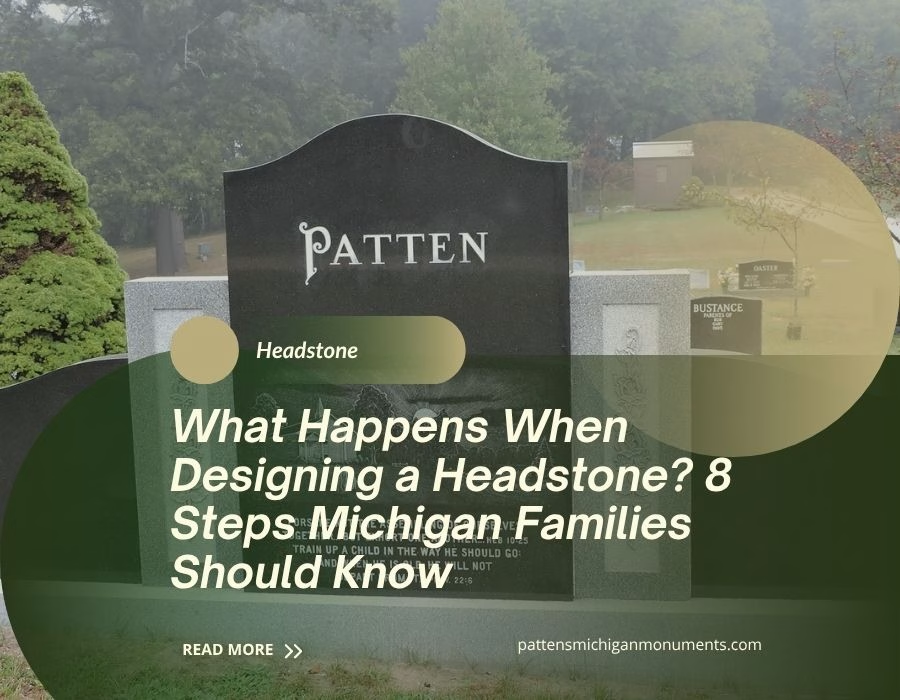
The Headstone Design Process requires careful planning because each detail contributes to the final appearance of the memorial.
Professional designers help ensure that text, images, and design elements are balanced properly so the finished monument looks elegant and easy to read.
4. Selecting Personalized Artwork and Symbols
Personalization allows families to create a memorial that truly represents their loved one.
Many families include artwork or symbols connected to important parts of a person’s life, such as:
- Hobbies
- Military service
- Religious beliefs
- Nature interests
- Family connections
- Personal achievements
For example, someone who loved fishing may have a lake scene or fishing-related artwork engraved into the granite. A veteran may choose military symbols to honor their service.
During the Headstone Design Process, these personal details help transform a standard monument into a unique tribute.
5. Choosing Meaningful Inscriptions
The words placed on a memorial are one of the most important elements of the design.
Families may choose:
- A meaningful quote
- A personal message
- A religious passage
- A family statement
- A phrase that represents their loved one
The inscription should reflect the person’s character and the memories shared with family and friends.
Experienced monument professionals can help families select wording that fits the available space while creating a meaningful message.
A carefully written inscription ensures the memorial continues sharing the person’s story for future generations.
6. Reviewing Cemetery Requirements
Every cemetery has specific rules and guidelines that families must consider before finalizing a memorial.
These requirements may include:
- Approved monument sizes
- Available materials
- Placement regulations
- Foundation requirements
- Installation guidelines
An important part of the Headstone Design Process is making sure the final design meets cemetery standards.
Working with a knowledgeable monument company helps families avoid unexpected issues and ensures the memorial can be properly installed.
7. Finalizing the Design and Beginning Production
Once all design decisions are complete, the monument company begins preparing the memorial.
This stage may involve:
- Confirming artwork details
- Reviewing engraving designs
- Preparing the granite
- Creating inscriptions
- Completing finishing touches
The Headstone Design Process requires skilled craftsmanship because each engraving, cut, and detail must be completed with precision.
Experienced craftsmen carefully transform a selected design into a finished memorial that families can proudly use to honor their loved one.
8. Installing the Completed Memorial
The final step is installing the completed headstone at the cemetery.
Professional installation ensures that the monument is:
- Properly positioned
- Securely placed
- Aligned correctly
- Prepared for long-term durability
The completed memorial becomes a permanent place where families can visit, reflect, and remember their loved one.
Understanding the full Headstone Design Process helps families appreciate the time, craftsmanship, and care involved in creating a lasting tribute.
How Patten’s Michigan Monuments Helps Michigan Families
Creating a memorial can feel overwhelming, especially while navigating the emotions of losing someone important. Having an experienced monument company available provides families with guidance and support throughout every stage.
Patten’s Michigan Monuments has been helping families create meaningful memorials for generations. Their experience allows them to guide families through every important decision, from selecting granite and monument styles to choosing personalized designs.
Whether a family needs help understanding what happens when designing a headstone or wants assistance creating a completely customized memorial, professional guidance makes the experience easier.
The right monument company helps families create a tribute that reflects their loved one’s story while providing quality craftsmanship that lasts for generations.
Why Understanding the Headstone Design Process Matters
Many families begin planning a memorial without knowing what decisions they will need to make. Understanding the steps involved provides clarity and allows families to focus on creating something meaningful.
The Headstone Design Process is not just about choosing a stone. It is about preserving memories, honoring a person’s life, and creating a permanent reminder of the moments shared together.
By understanding the available options, families can make informed decisions about materials, designs, artwork, and inscriptions.
Create a Meaningful Memorial That Lasts for Generations
A well-designed headstone represents more than a name and dates. It tells a story, preserves memories, and creates a lasting place of remembrance.
The Headstone Design Process allows families to create a memorial that reflects their loved one’s personality, achievements, and legacy.
From selecting granite and choosing a monument style to adding custom artwork and meaningful inscriptions, every decision contributes to creating a unique tribute.
For Michigan families, working with experienced memorial professionals ensures every detail receives careful attention. A thoughtfully designed headstone becomes a lasting symbol of love, respect, and remembrance for generations to come.