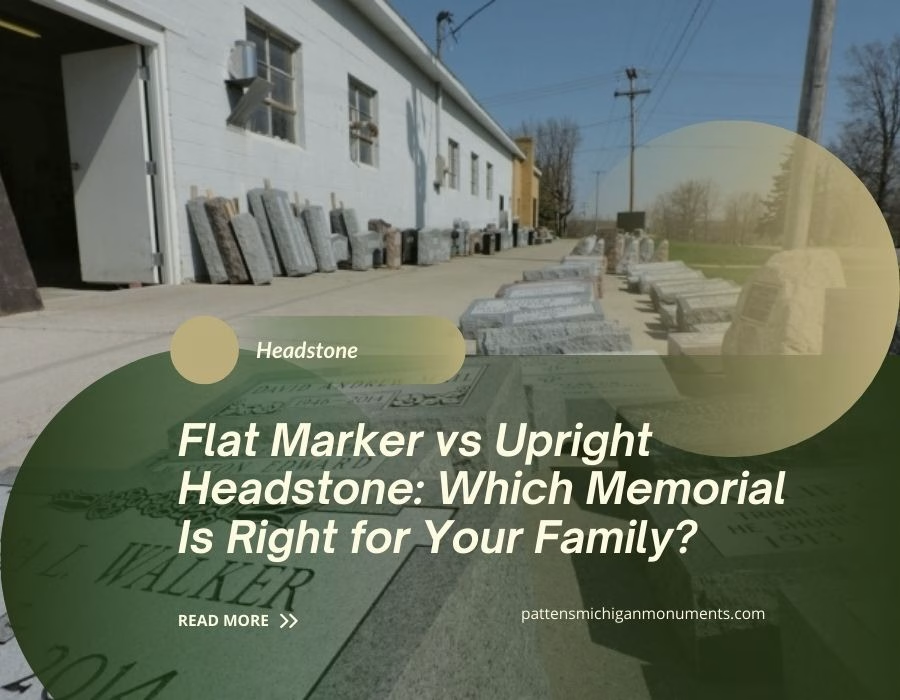
Choosing a cemetery memorial is one of the most important decisions a family will make after the loss of a loved one. When considering memorial options, families often ask about flat marker vs upright headstone. Each type of memorial has unique characteristics, benefits, and considerations, and understanding these differences helps families select a tribute that appropriately honors their loved one.
Both flat markers and upright headstones serve the purpose of marking a grave, preserving a legacy, and creating a physical place of remembrance for generations to come. While they share the same fundamental goal, their appearance, cost, design possibilities, and long-term care differ significantly. This comprehensive guide explores the distinctions between flat marker vs upright headstone, helping families make informed decisions for Michigan cemeteries.
Understanding Flat Marker vs Upright Headstone Memorials
At the core of the flat marker vs upright headstone comparison is the way each memorial interacts with its surroundings.
Flat markers, also known as flush markers, are placed level with the ground. They create a seamless appearance with the surrounding cemetery lawn, offering a subtle and unobtrusive way to mark a grave. Typically rectangular, flat markers can be crafted from granite, bronze, or a combination of both. Their understated design ensures a tidy and uniform appearance within the cemetery.
Upright headstones, in contrast, are vertical monuments that rise above the ground. An upright headstone usually consists of a granite tablet set on a sturdy base. The elevated design allows for greater visibility and provides more space for inscriptions, artwork, and decorative details. Families often choose upright monuments for their traditional appeal and ability to stand out in a cemetery.
Both memorial types can be customized with personalized engravings, dates, symbols, and images. The choice between flat marker vs upright headstone often depends on family preferences, cemetery regulations, and the desired level of personalization.
1. Appearance and Cemetery Presence
The visual difference between flat marker vs upright headstone is immediately noticeable.
Flat markers create a low-profile look that blends naturally with the cemetery landscape. They are ideal for families who prefer simplicity and uniformity. This type of marker is especially common in modern cemeteries that maintain a manicured lawn appearance, as flat markers do not interfere with mowing or landscaping.
Upright headstones, on the other hand, are highly visible. Their vertical design allows them to stand out and serve as a focal point in the cemetery. Families who want a prominent memorial that can be easily located often choose upright monuments. The elevated position also makes it easier for visitors to read inscriptions without bending down.
In summary, appearance and cemetery presence play a crucial role in the flat marker vs upright headstone decision, as each style offers a distinct visual impact.
2. Cost Considerations: Flat Marker vs Upright Headstone
Cost is often a decisive factor when comparing flat marker vs upright headstone.
Flat markers are generally more affordable. They require less granite, involve simpler installation, and have limited engraving space. For families on a budget or those seeking a clean, minimalist memorial, flat markers provide an elegant solution at a lower price point.
Upright headstones usually cost more due to their larger size, heavier granite, and additional craftsmanship. The base, vertical tablet, and optional decorative carvings contribute to the overall cost. Families seeking a memorial that allows for extensive personalization or greater visibility may find the investment worthwhile.
Understanding pricing helps families make informed decisions. On average, Michigan flat markers may start around $500–$1,500, while upright monuments often range from $1,500–$5,000, depending on size, design, and customization.
3. Customization and Design Options
One of the major differences between flat marker vs upright headstone is the scope for personalization.
Flat markers typically include basic information such as the deceased’s name, birth and death dates, and a short phrase. While some symbols or small decorative elements can be added, the available engraving space is limited compared to upright headstones.
Upright headstones allow families to express creativity and individuality. They provide more room for detailed inscriptions, religious symbols, carved artwork, or even laser-etched portraits. For example, a custom granite headstone in Michigan can include family crests, hobbies, or meaningful quotes that celebrate the life and personality of the deceased.
This greater flexibility makes upright monuments appealing for families who want a memorial that is both visually striking and highly personal.
4. Cemetery Rules and Regulations
When choosing between flat marker vs upright headstone, cemetery rules and regulations are a critical consideration.
Some cemeteries restrict the types of headstones allowed in certain sections. Flat markers are often required in areas designed to maintain a uniform appearance, while upright monuments may be permitted only in specific plots.
Other rules may dictate maximum dimensions, foundation requirements, or material choices. It is essential for families to review cemetery policies before selecting a memorial. Compliance ensures smooth installation and avoids costly adjustments later.
Families can refer to guidelines provided by the Federal Trade Commission on funeral and cemetery planning at https://consumer.ftc.gov for general advice about memorial planning.
5. Durability and Long-Term Maintenance
Durability and maintenance are important when evaluating flat marker vs upright headstone options.
Flat markers sit flush with the ground, which protects them from wind or accidental knocks but may require occasional cleaning to remove dirt, grass, or debris.
Upright headstones are less likely to be covered by grass and remain visible even in cemeteries with regular landscaping. Their vertical orientation makes reading the inscription easier. Periodic cleaning ensures that engravings remain clear and the granite retains its polished appearance.
Both types, when crafted from high-quality granite, are designed to withstand decades of weather conditions common in Michigan, including snow, rain, and freezing temperatures.
6. Symbolism and Emotional Appeal
Symbolism can influence the choice between flat marker vs upright headstone.
Flat markers symbolize simplicity, humility, and understated elegance. They create a cohesive and peaceful appearance in the cemetery.
Upright headstones are often associated with tradition, permanence, and prominence. Many families choose upright monuments to provide a focal point for family visits and to represent a lasting legacy.
Both memorial types serve the same emotional purpose: honoring a life, preserving memories, and creating a space for reflection. The choice ultimately reflects how families want to represent their loved one’s legacy.
7. Factors for Making the Right Choice
Choosing between flat marker vs upright headstone involves several factors:
Budget: Flat markers are more economical; upright monuments typically cost more.
Cemetery Regulations: Always confirm allowed monument types and sizes.
Personal Preference: Consider visibility, traditional appeal, and aesthetic goals.
Design and Personalization: Upright headstones offer more space for inscriptions, symbols, and artwork.
Maintenance: Both types are low maintenance, but upright monuments are easier to read over time.
Families should weigh these factors carefully, balancing cost, cemetery requirements, and the type of tribute they wish to create.
Additional Considerations: Companion Memorials and Family Plots
For families considering shared memorials, both flat marker vs upright headstone options can accommodate multiple inscriptions.
Companion flat markers may include two names on a single marker for spouses or family members. Upright headstones can also serve as companion monuments, often with more elaborate design space for shared inscriptions, symbols, and family emblems.
When planning a family plot, it is important to coordinate with the cemetery and monument company to ensure the memorial layout is cohesive and visually balanced.
Planning and Professional Guidance
Selecting a memorial is an emotional process, and families benefit from professional guidance. Experienced monument companies in Michigan assist with:
Understanding cemetery rules
Choosing the right granite and finishes
Drafting layouts for inscriptions
Ensuring proper installation
Working with knowledgeable professionals ensures the memorial will last, meet regulations, and honor the legacy of the deceased. Families can also explore resources from the Monument Builders of North America at https://monumentbuilders.org for industry standards and advice.
Conclusion: Creating a Meaningful Memorial
The decision between flat marker vs upright headstone is ultimately personal. Both types of memorials provide a permanent space to honor a loved one’s life.
Flat markers offer simplicity, affordability, and subtle elegance, while upright headstones provide visibility, traditional appeal, and expanded customization options. By considering appearance, cost, personalization, cemetery regulations, and emotional significance, families can select a memorial that serves as a lasting tribute for generations.
Michigan families who take the time to understand the differences between flat marker vs upright headstone are better equipped to create a meaningful and lasting memorial that preserves memories, reflects a life lived, and provides a sacred place of reflection for years to come.